Newt Pond Install
Project Background and Purpose
In this ecological enhancement project, our team was engaged to design and construct a habitat pond specifically tailored to support newts, particularly species like the great crested newt — one of the UK’s most iconic amphibians and a species protected under national wildlife legislation. Creating a purpose-built pond plays a key role in habitat creation and biodiversity net gain, ensuring suitable aquatic habitats are available for amphibians and associated wildlife.
Ecological Review and Site Survey
The project began with a comprehensive ecological assessment to identify:
Soil conditions and natural water table levels.
Proximity to existing terrestrial habitat that newts use outside of breeding season.
Potential environmental constraints such as protected species presence or nearby habitats.
This early survey phase helps to determine the most suitable location and pond design to support lifecycle needs of newts, while ensuring compliance with local planning and wildlife protection standards.
Design & Natural Habitat Considerations
A newt-friendly pond differs from a standard garden or ornamental pond because it must mimic natural wetland conditions that support breeding and sheltering behaviours. Key design considerations included:
Pond shape and depth profile — incorporating shallow margins for easy entry and exit by amphibians, and deeper sections that retain water throughout seasonal cycles.
Clean water retention — ensuring the pond holds water long enough to allow newt larvae to complete their aquatic development.
Exclusion of fish — newts and their larvae are vulnerable to predation, so the design discourages fish colonisation.
Surrounding habitat enhancements — rough grassland, log piles, and shaded areas provide the terrestrial habitat newts occupy outside the breeding season.
Ponds designed in this way are not only suitable for newts but also support a wider range of wildlife such as frogs, toads, dragonflies, and other invertebrates.
Construction and Groundworks
With the design finalised, the team carried out the physical construction in phases:
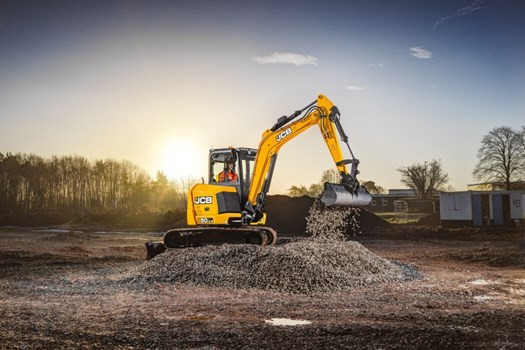
Excavation – A machine-assisted excavation was conducted to carefully sculpt the pond profile, including gradated slopes and varying depths to benefit newt life stages.
Water Retention Preparation – Depending on ground conditions, a natural clay base or specialist liner is installed to ensure reliable water retention throughout breeding seasons.
Gradients and Habitat Features – Gentle shelf zones were formed around the pond edge to encourage colonisation by amphibians, provide egg-laying spots, and support marginal vegetation.
Silt and Debris Management – Any spoil was responsibly managed to prevent runoff, and transitional habitat features such as log piles or tussock grass were installed to enhance terrestrial habitat connectivity.
The construction phase was executed with environmental protection in mind — minimising disruption to existing habitats and ensuring any works sensitive to breeding seasons were timed appropriately.
Planting and Biodiversity Promotion
Once the physical structure was complete, the installation included planting native pond margin vegetation and aquatic plants suited to newt breeding and sheltering behaviour. Native marginal plants not only stabilise the banks but also:
Provide egg-laying structures for newts.
Support a micro-ecosystem of insects and macroinvertebrates that are food sources for amphibians.
Enhance the visual and ecological value of the pond.
Monitoring and Long-Term Management
After construction, a monitoring and management plan was put in place (often a requirement under ecological planning conditions or biodiversity net gain agreements). This may include:
Regular checks to ensure water levels are maintained and free from invasive fish species.
Vegetation management around pond margins to preserve open habitat structure.
Monitoring for colonisation by newts and other amphibian species.
New ponds created under schemes like District Level Licensing schemes are often monitored for many years to support population sustainability and compliance with ecological mitigation requirements.
Outcome & Ecological Benefits
The completed newt pond installation provided:
✔ A bespoke aquatic habitat supporting breeding and lifecycle needs of amphibians.
✔ Increased local biodiversity through enhanced wetland features.
✔ A sustainable ecological feature that supports protected species and contributes to biodiversity net-gain reporting.
✔ Valuable environmental evidence that aligns with habitat licensing requirements and local planning obligations.
Newt ponds are not just functional water features; they play an important part in species conservation and landscape-scale habitat networks. Reports show that ponds created or restored through similar initiatives are frequently colonised by great crested newts within a few years, demonstrating their long-term value as wildlife habitats.