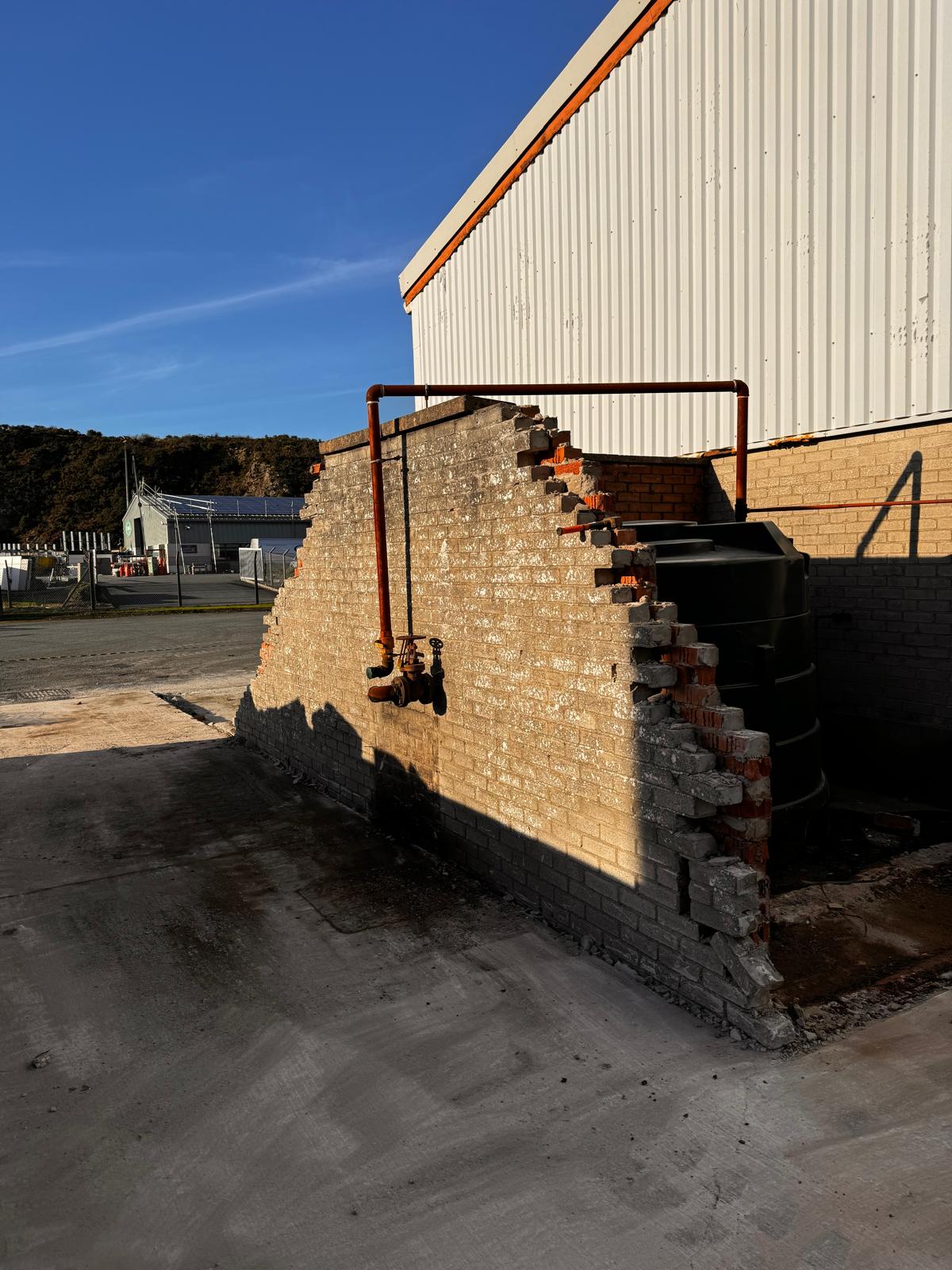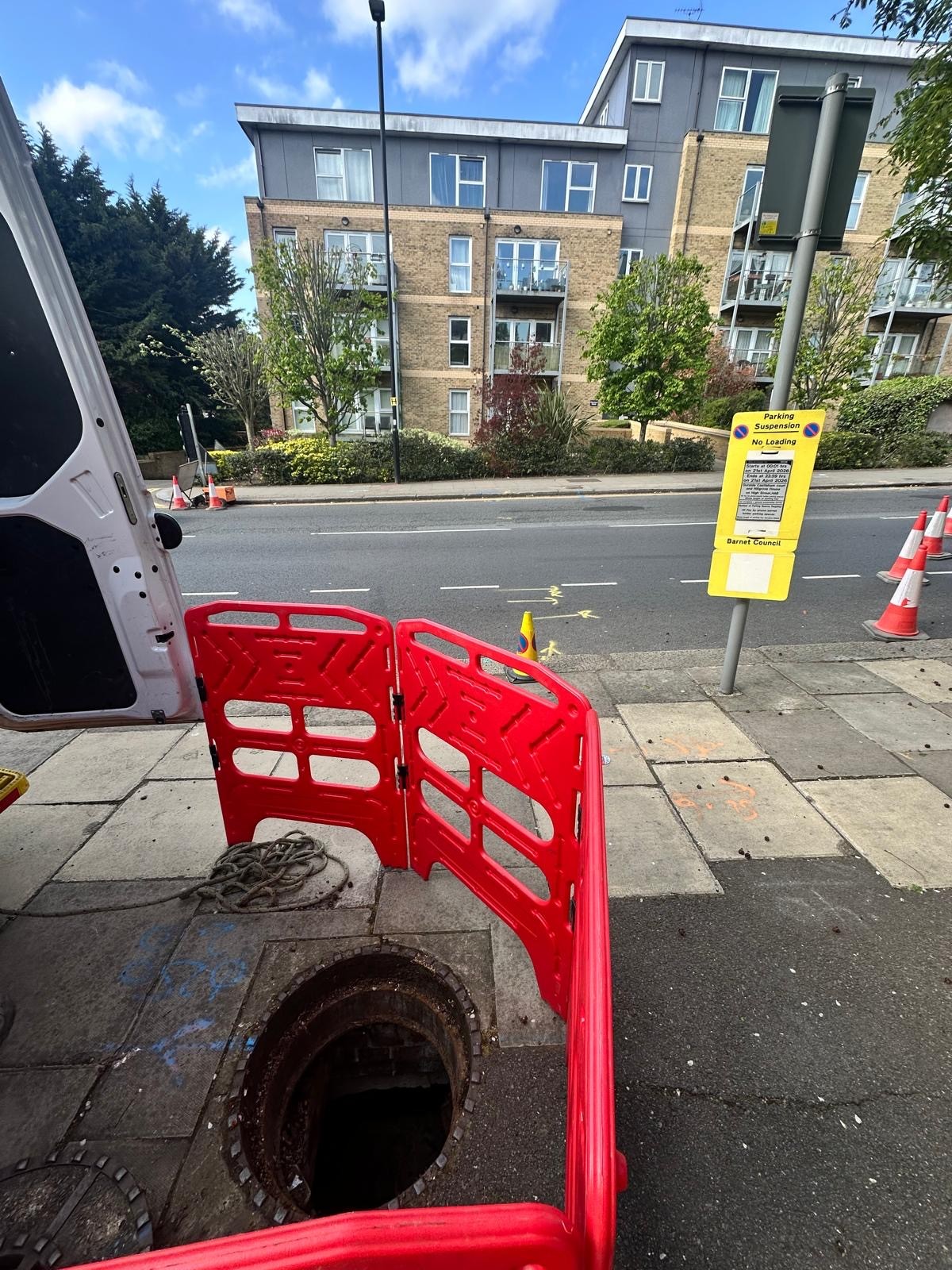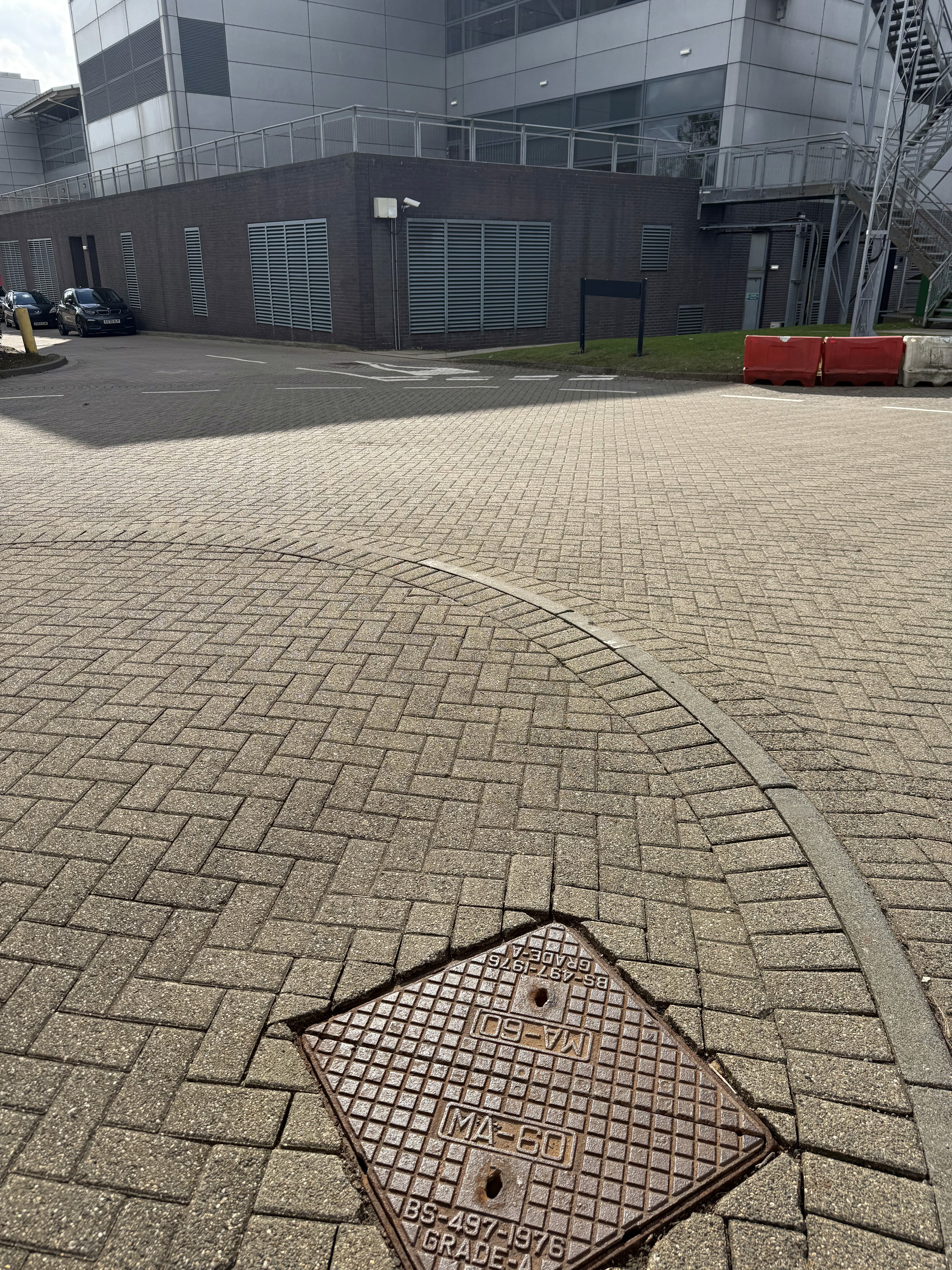
Tank Demo & New Concrete Pad
Project Overview
This project involved the safe and systematic demolition of a storage tank that had reached the end of its operational life or was no longer required by the site owner. Tank demolitions — whether for fuel, water, chemical, wastewater, or industrial storage tanks — require structured planning, environmental controls, and engineering precision to remove redundant structures while protecting people, property, and the environment.
1. Initial Site Assessment & Planning
Before any physical work began, our team carried out a full site inspection and project planning phase. This involved:
Evaluating the type, size, and material of the tank (e.g., steel, concrete, composite) and the medium it held during service.
Understanding any site constraints such as surrounding infrastructure, underground utilities, adjacent buildings, or environmental protection zones.
Reviewing health & safety risks, including flammability, gas hazards, and structural integrity of the tank.
Preparing a method statement and risk assessment to outline the safe work sequence and personnel protection measures.
This upfront planning ensures the demolition is executed safely, efficiently, and in compliance with best-practice demolition standards.
2. Decommissioning & Safe Isolation
Prior to demolition, the tank was decommissioned and isolated:
All residual contents (e.g., liquids, sludge, vapours) were drained or pumped out under controlled conditions to ensure safety.
Any remaining residues were removed using specialist equipment, such as vacuum tankers or confined-space cleaning teams trained in safety protocols.
Tanks with hazardous atmospheres or flammable gases were purged or made inert to remove combustion risks prior to cutting or dismantling.
Certification was obtained where required to verify the tank was gas-free and safe for demolition work.
These measures protect demolition crews and prevent environmental contamination from leftover materials.
3. Controlled Dismantling & Demolition Execution
With the tank safely decommissioned, demolition was carried out using a controlled, step-by-step dismantling process:
Tank Cutting & Sectioning
Where feasible, the tank was removed whole using lifting equipment (such as cranes or Hiabs).
In areas with limited access or space constraints, the tank was sectioned on site using specialised cutting methods (cold cutting or mechanical shears) to break it into manageable pieces.
Hydraulic cutters and shears help minimise sparks and heat, making them appropriate in sensitive or regulated environments.
Handling of Associated Structures
Pipework, supports, plinths, bund walls, and containment structures connected to the tank were dismantled as part of the demolition scope, ensuring the entire redundant installation was removed.
Site surfaces and foundations that were no longer needed were broken out and cleared.
This controlled approach prioritises safety, prevents impacts to nearby assets, and allows precise material separation for recycling and disposal.
4. Waste Classification & Disposal
All demolition arisings — including metal, concrete, and contaminated materials — were:
Segregated by type on site to facilitate correct handling.
Transported under licensed waste carrier arrangements to appropriate facilities for recycling or disposal.
Metals (such as steel shells or reinforcing) were processed for recycling where feasible, reducing landfill and supporting sustainable demolition practices.
Using licensed disposal routes and recycling options ensures compliance with environmental protection standards and waste regulations.
5. Site Reinstatement & Completion
Once the tank and associated structures were removed:
The area was cleared of debris and graded where required.
Foundations or residual structures were either removed or made safe depending on future site use.
Final inspections were completed to confirm the site was ready for any subsequent construction or landscaping.
This final phase ensures your site is clean, reinstated, and safe for its next phase of use.
Outcome & Benefits
This demolition project delivered:
✔ A safe, compliant removal of redundant tank infrastructure.
✔ Mitigation of environmental and safety risks associated with old storage assets.
✔ Effective segregation and legal disposal/recycling of demolition waste.
✔ A clear, reinstated site ready for redevelopment or new construction.
Professional tank demolition combines thorough planning, environmental controls, and precise execution — essential for health & safety and minimising disruption.
Why Professional Tank Demolition Matters
Tank demolition isn’t simply knocking down a structure. It involves decommissioning dangerous contents, controlling hazards, managing waste lawfully, and protecting people and the environment throughout the project. Contractors undertaking these works must follow strict protocols, often including tank purging, gas-free certification, controlled cutting, and licensed waste disposal to meet regulatory requirements.