
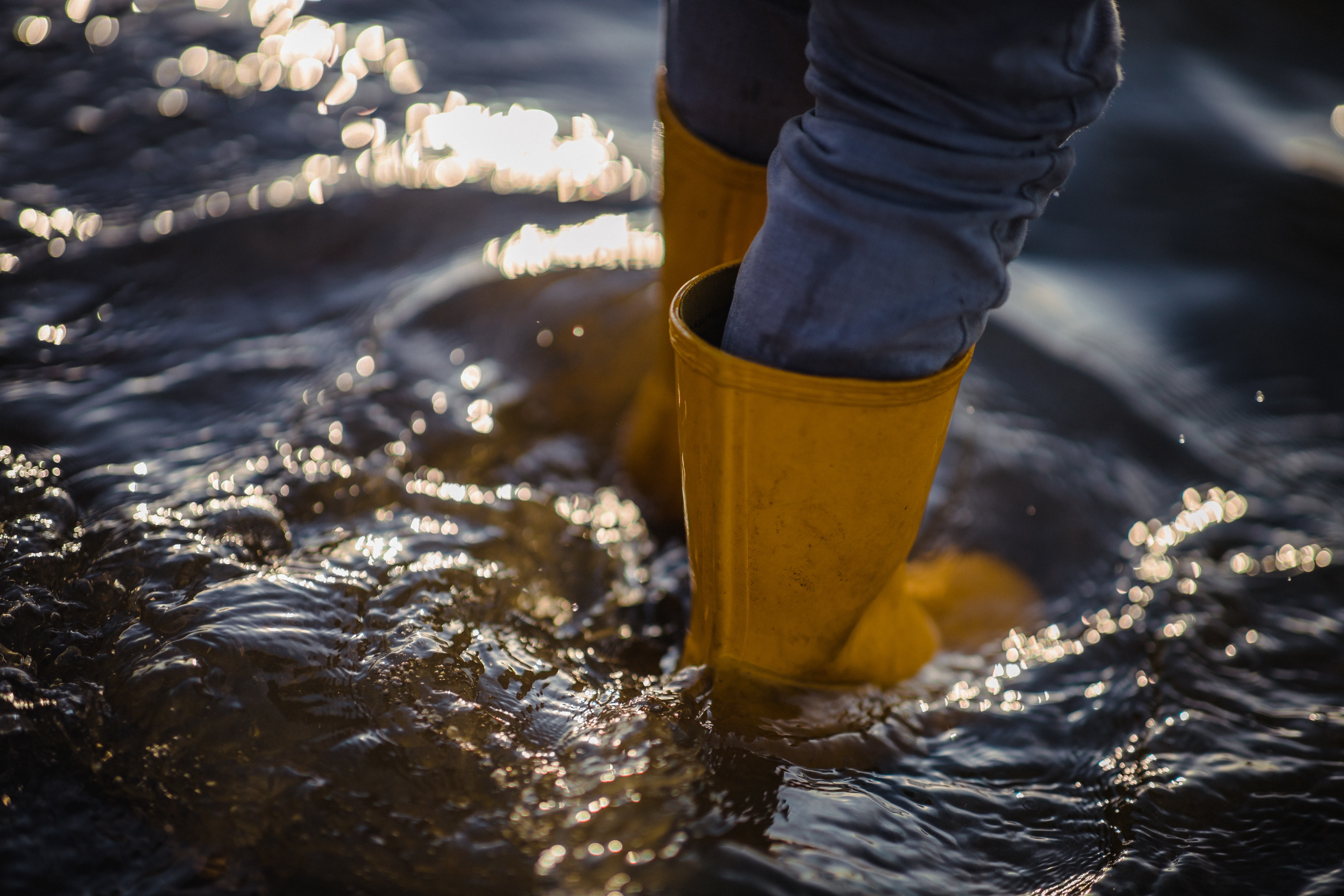
Why Industrial Yards Flood After Heavy Rain (And How to Fix the Problem Properly)
Industrial Yard Flooding
Causes, Diagnosis and Engineering Solutions
Industrial yard flooding occurs when rainfall cannot drain effectively through a site’s surface drainage system. This results in standing water across operational areas such as loading bays, vehicle yards, access roads, and storage areas.
For logistics sites, factories, and commercial estates, repeated flooding can disrupt operations, damage infrastructure, and create safety hazards.
This guide explains why industrial yards flood after heavy rain, how the root causes are investigated, and the engineering solutions typically used to resolve the problem.
Quick Summary
Industrial yard flooding is most commonly caused by:
blocked or silted drainage pipes
undersized drainage systems
poor surface gradients
collapsed underground pipework
blocked drainage outfalls
Identifying the root cause usually requires a professional drainage investigation, including CCTV drainage surveys and site level assessments.
Common Causes of Industrial Yard Flooding:
Blocked Underground Drainage Systems
Drainage pipes beneath industrial yards gradually accumulate debris such as:
silt and sediment
leaves and organic material
road grit
construction debris
Over time this reduces pipe capacity, preventing the system from carrying away rainfall effectively.
Diagnosis
Blocked drainage systems are usually identified using CCTV drainage surveys.
Typical solution
High-pressure jetting or mechanical cleaning is used to restore pipe capacity.
Drainage Systems That Are Too Small
Many older industrial estates were built using rainfall assumptions that no longer reflect current climate conditions.
As rainfall intensity increases, older drainage systems may struggle to cope with heavy storms.
Warning signs
flooding only occurs during heavy rain
water backs up from surface drains
flooding occurs across multiple areas of the site
Engineering solutions
Possible solutions include:
installing larger drainage pipes
adding additional drainage channels
installing attenuation tanks
implementing sustainable drainage systems (SuDS)
Poor Yard Gradients
Surface water relies on gravity to move toward drainage points.
If an industrial yard has insufficient slope, water may remain trapped on the surface.
This often occurs due to:
poor initial construction
resurfacing works that altered drainage falls
ground settlement over time
Diagnosis
Engineers typically carry out a topographical survey to measure site levels.
Solutions
surface regrading
installation of channel drains
drainage redesign
Collapsed or Damaged Drainage Pipes
Heavy vehicle traffic and ground movement can cause underground drainage pipes to crack or collapse.
This prevents water from flowing through the drainage system and often leads to persistent flooding.
Warning signs
flooding repeatedly occurs in the same area
sinkholes form in paved surfaces
drainage cleaning does not solve the issue
Investigation
A CCTV drainage inspection is normally required.
Drainage Repairs and Remediation
Blocked Drainage Outfalls
Every drainage system must eventually discharge water to an outfall such as a sewer or watercourse.
If this outfall becomes blocked, the entire drainage system can back up.
Causes of blocked outfalls
vegetation growth
debris accumulation
collapsed outlet structures
Inspection of the drainage discharge point is therefore a critical part of any investigation.
How Industrial Yard Flooding Is Diagnosed
A professional investigation typically includes several steps:
Visual inspection of the site
CCTV drainage survey
Drainage network mapping
Topographical survey
Hydraulic capacity assessment
These investigations allow engineers to understand how rainfall moves across the site and through the drainage network.
Engineering Solutions for Yard Flooding
Once the cause of flooding is identified, several engineering solutions may be used.
These can include:
drainage system cleaning and maintenance
underground pipe replacement
installation of additional drainage channels
attenuation tanks to manage stormwater
regrading yard surfaces to improve drainage
The correct solution depends on the site layout, drainage design, and rainfall volumes.
Example Industrial Yard Flooding Scenario
A logistics depot experienced repeated flooding across its vehicle yard during heavy rainfall.
Initial inspection suggested that surface drains were clear, yet standing water remained across large sections of the site.
A CCTV drainage survey revealed that sections of the underground drainage pipe had collapsed due to heavy vehicle loading.
After replacing the damaged pipework and upgrading the drainage capacity, the flooding problem was resolved.
When to Call a Civil Engineering Specialist
A professional drainage investigation should be considered if a site experiences:
recurring flooding after heavy rainfall
large areas of standing water
drainage systems that block frequently
visible surface settlement or sinkholes
Early investigation can prevent more extensive infrastructure damage and costly repairs.
For drainage investigations and civil engineering solutions, contact Civils and Environmental.
Frequently Asked Questions
These FAQ sections are important because AI systems and Google often extract answers directly from them.
Why does my industrial yard flood even though there are drains?
This usually occurs when the drainage system cannot handle rainfall effectively. Common causes include blocked pipes, collapsed drainage infrastructure, insufficient drainage capacity, or poor surface gradients.
How do engineers investigate industrial yard flooding?
Flooding investigations typically involve CCTV drainage surveys, drainage network mapping, and topographical surveys to determine how water flows across the site.
Can flooding be solved without replacing the entire drainage system?
Yes. In many cases flooding can be resolved through drainage cleaning, pipe repairs, improved drainage channels, or surface regrading.
How often should commercial drainage systems be inspected?
Commercial drainage systems should normally be inspected every 12–24 months to identify blockages, structural damage, or maintenance issues.
What is the best solution for persistent yard flooding?
The best solution depends on the cause of the flooding. Drainage surveys and engineering assessments are usually required before a permanent solution can be designed.
Recommended internal links:
Related Commercial Site Problems
Flooding around warehouse loading bays
Sinkholes forming in asphalt yards
