
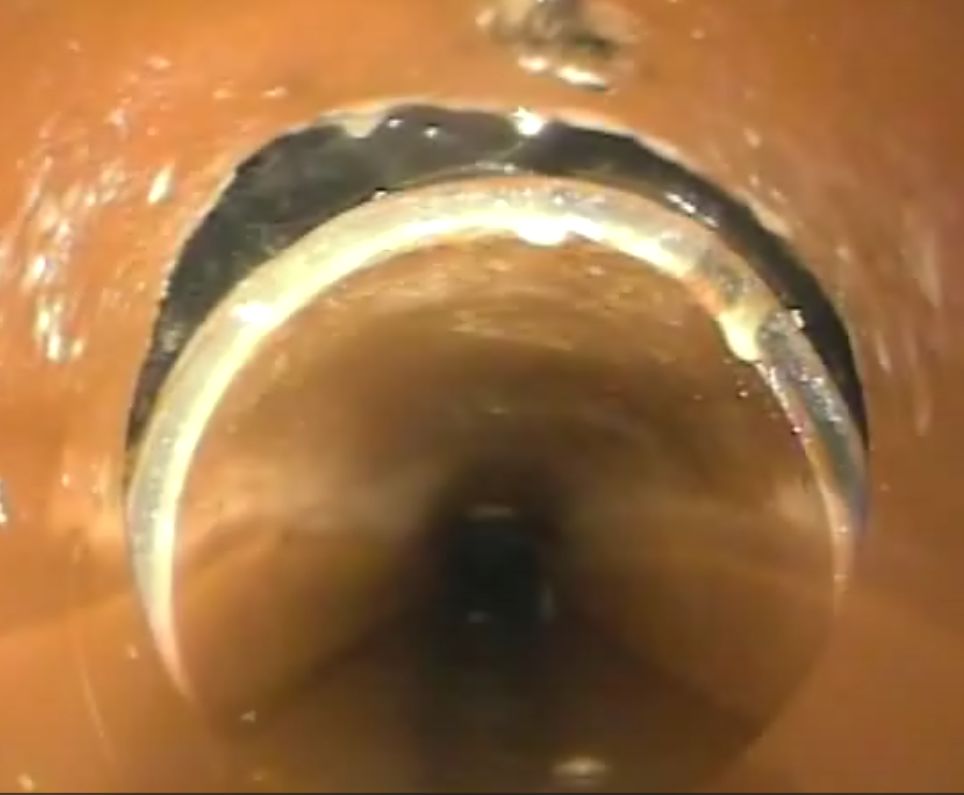
The importance of maintaining your drains
How to Maintain Commercial & Industrial Drainage Systems Properly
Drain maintenance is essential for:
Industrial estates
Warehouses
Car parks
Manufacturing facilities
Schools & commercial premises
Logistics depots
Well-maintained drainage prevents:
Flooding
Structural damage
Business interruption
Insurance claims
Regulatory issues
Step 1: Routine Drain Inspections
Drain inspections should include:
Visual inspection of gullies and covers
Checking for standing water
Identifying odours
Monitoring slow discharge
For larger sites, CCTV drain surveys may be required annually.
Benefit:
Identifies minor issues before they become expensive emergency repairs.
Step 2: Scheduled Drain Jetting & Cleaning
Over time drains accumulate:
Silt
Debris
Leaves
Fat & grease
Industrial residue
High-pressure water jetting removes build-up and restores full bore flow.
Cleaning schedules depend on site usage but are typically every 6–12 months for commercial sites.
Benefit:
Prevents blockages, flooding, and reactive call-out costs.
Step 3: Check & Maintain Drainage Channels
Internal and external channel drains must be:
Cleared of debris
Checked for damaged gratings
Inspected for cracking
Verified for correct fall
Damaged channels should be repaired before slab edges deteriorate.
Benefit:
Prevents forklift damage, slip hazards, and water pooling.
Step 4: Inspect Manholes & Catch Pits
Manholes and catch pits should be:
Lifted and inspected safely
De-silted where required
Checked for structural defects
Monitored for infiltration or root ingress
Silted chambers reduce system capacity and increase flood risk.
Benefit:
Maintains full system performance during heavy rainfall.
Step 5: Conduct Periodic CCTV Drain Surveys
CCTV surveys help identify:
Cracks
Collapsed sections
Root ingress
Misaligned joints
Infiltration
Preventative surveys are significantly more cost-effective than emergency excavation.
Benefit:
Protects underground infrastructure and avoids unplanned downtime.
Correct Drain Maintenance Methodology
Routine inspections
Scheduled jetting
Channel clearance
Chamber desilting
CCTV surveys
Targeted repairs
Preventative maintenance is always more cost-effective than reactive emergency works.
Why Drain Maintenance Is Critical in Commercial & Industrial Sites
Poorly maintained drainage leads to:
Standing water
Yard flooding
Internal warehouse flooding
Slip hazards
Damage to stock and equipment
Structural sub-base erosion
Compliance breaches
Increased insurance premiums
In high-traffic commercial environments, water ingress weakens asphalt and concrete, accelerating surface failure.
Long-Term Benefits of Proactive Drain Maintenance
✔ Reduces emergency call-outs
✔ Prevents flooding incidents
✔ Extends surfacing lifespan
✔ Protects building foundations
✔ Improves health & safety compliance
✔ Minimises operational disruption
✔ Reduces lifecycle maintenance costs
✔ Protects business reputation
FAQs – Commercial Drain Maintenance
Q: How often should commercial drains be cleaned?
Most commercial sites benefit from cleaning every 6–12 months, depending on usage and debris levels.
Q: What are early signs of drain problems?
Slow drainage, bad odours, surface pooling, and gurgling sounds can indicate developing blockages.
Q: Is CCTV drain surveying necessary if there’s no blockage?
Yes. Preventative CCTV surveys identify structural defects before failure occurs.
Q: Can poor drainage damage car parks and yards?
Yes. Water infiltration weakens the sub-base beneath asphalt and concrete, causing settlement and cracking.
Q: Is planned maintenance cheaper than reactive repairs?
Almost always. Emergency works often involve disruption, excavation, and higher labour costs.
