
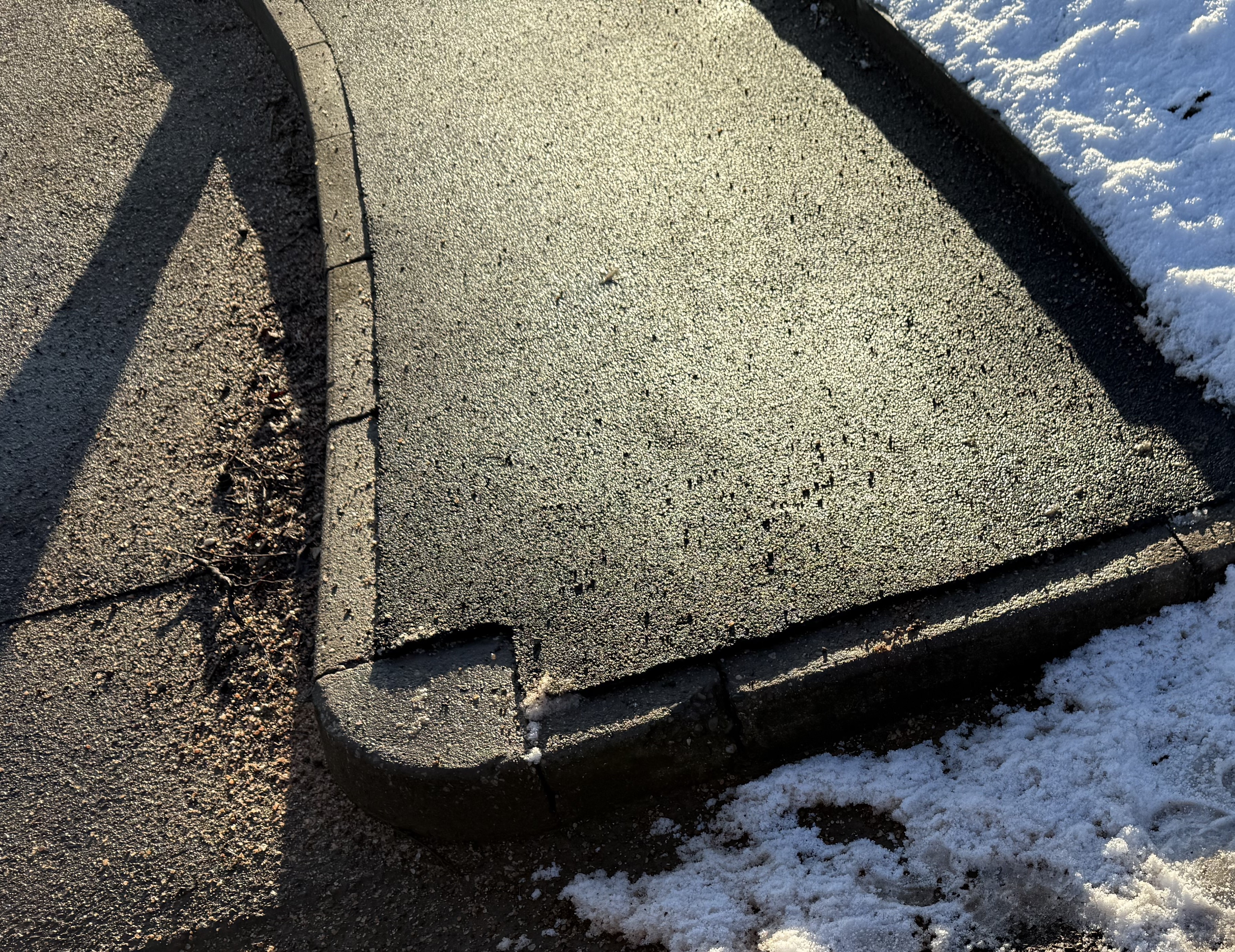
Importance of Maintaining areas of hardstanding
According to the Health and Safety Executive (HSE), trip hazards in England cost UK employers over £500 million per year, with the total cost to society exceeding £800 million annually, including costs to the NHS which amount to around £133 million per year.
Key points about trip hazard costs in England:
High cost to employers:Slips and trips are considered one of the most common causes of workplace injuries, resulting in significant financial losses for businesses due to lost productivity, compensation claims, and insurance costs.
Hidden costs:Beyond direct medical expenses, the costs of trip hazards include investigation time, potential damage to equipment, and disruption to operations.
Maintaining footways is crucial for ensuring pedestrian safety, accessibility, and promoting walking as a mode of transportation by providing a safe and smooth walking surface, which is especially important for people with mobility issues, and by encouraging more people to walk to destinations like work, shops, and public transport, contributing to overall community health and environmental benefits.
Key reasons why footway maintenance is important:
Pedestrian safety:Damaged footways with cracks, uneven surfaces, or tripping hazards can lead to falls and injuries, especially for vulnerable populations like the elderly.
Accessibility:Well-maintained footways are essential for people with disabilities who rely on walking aids to navigate, allowing them to access public spaces and services more easily.
Community health:Encouraging walking by providing safe footpaths can lead to improved physical health and reduced rates of obesity.
Environmental impact:More people walking means less car usage, contributing to reduced carbon emissions and improved air quality.
Economic benefits:Well-maintained footways can enhance the aesthetic appeal of a neighborhood, potentially increasing property values and attracting businesses.
Social cohesion:Accessible footways can facilitate connections between people in a community, encouraging social interaction and a sense of belonging.
What constitutes good footway maintenance:
Regular inspections:Identifying and addressing potential issues like cracks, loose paving stones, and overgrown vegetation before they become major problems.
Prompt repairs:Fixing damage quickly to prevent further deterioration and potential hazards.
Proper drainage:Ensuring water is directed away from footways to prevent frost damage and water accumulation.
Surface maintenance:Cleaning and re-applying sealant or anti-slip treatments as needed to maintain a safe walking surface.
Addressing accessibility concerns:Installing ramps and curb cuts to ensure footways are accessible to people with disabilities.
